Blog
Welcome to the United States! Settling into a new country comes with many adjustments, and understanding the financial system is a big one. From banks to credit scores, it can feel like a whole new language. Don’t worry, you are not alone, and with a little guidance, you will be building a strong financial foundation in no time.
Choosing Your Financial Home: Banks vs. Credit Unions
One of your first steps is deciding where to keep your money. In the U.S., you will primarily encounter two types of institutions: banks and credit unions.
Banks: These are for-profit institutions, often with extensive branch networks and a wide range of services, including advanced online banking and investment options. Large national banks like Chase, Bank of America, Wells Fargo, and Citibank are popular, but regional banks can also be a good choice.
Credit Unions: These are not-for-profit organizations owned by their members. They often offer lower fees, better interest rates on savings, and more personalized service. However, their branch networks might be smaller.
For New Immigrants:
- Look for banks with lenient account opening requirements for those without a long U.S. history. Some may allow you to open an account with just your passport and a secondary ID.
- Consider community banks or credit unions as they can sometimes be more flexible and offer personalized advice.
- Prioritize institutions with strong online and mobile banking as this will be crucial for managing your finances easily.
Building Your Credit Score from Scratch
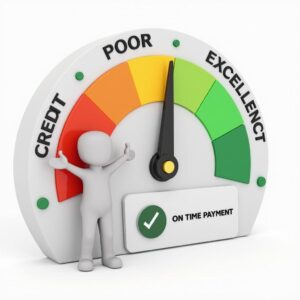
Your credit score is like your financial reputation in the U.S. It determines your ability to get loans, credit cards, rent an apartment, and even sometimes get a job or insurance.
As a new immigrant, you likely have no U.S. credit history, which is called “thin file” or “credit invisible.” But everyone starts somewhere!
How to Start Building Credit:
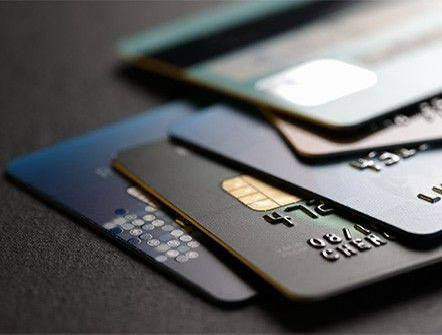
- Get a Secured Credit Card: This is often the easiest first step. You deposit money (e.g., $300) with the bank, and that becomes your credit limit. You use the card like a regular credit card, and your payments are reported to credit bureaus. After 6-12 months of responsible use, you can often “graduate” to an unsecured card and get your deposit back.
- Become an Authorized User: If you have a trusted friend or family member with excellent credit, they might add you as an authorized user on one of their credit cards. Their positive payment history can then reflect on your credit report. Make sure they are responsible with their payments!
- Credit Builder Loans: Some credit unions and community banks offer these. The loan amount is held in a savings account while you make payments. Once you’ve paid it off, you get access to the money, and your payment history is reported.
- Report Rent Payments: Services like Experian Boost or LevelCredit allow you to report your rent payments to credit bureaus, which can help build your score.
- Utility Bills: Similarly, some utility providers may report your on-time payments, or you can use services to report them.
First Credit Cards: Which Ones to Apply For?

Once you’re ready for an unsecured credit card (or even as an initial step if you qualify), here are types to consider:
- Secured Credit Cards: As mentioned, these are excellent for building your first credit history.
- Student Credit Cards: If you are enrolled in a U.S. university, these are often easier to get with limited credit history.
- Store Credit Cards: Sometimes department store cards are easier to obtain than general credit cards, but be mindful of their often high-interest rates.
- Credit Cards from Your Bank: If you have an established banking relationship, your bank might be more willing to offer you a starter credit card.
Important: Do not apply for too many cards at once. Each application creates a “hard inquiry” on your credit report, which can temporarily lower your score.
Habits for Building and Maintaining Good Credit
Building credit is an ongoing process. Adopt these habits for success:
- Pay On Time, Every Time: This is the single most important factor. Even one late payment can significantly damage your score. Set up automatic payments or reminders.
- Keep Credit Utilization Low: This refers to how much of your available credit you’re using. Aim to keep it below 30% (e.g., if you have a $1,000 limit, don’t use more than $300).
- Don’t Close Old Accounts: The length of your credit history matters. Keeping older accounts open (even if you don’t use them much) helps your score.
- Monitor Your Credit Report: You’re entitled to a free credit report from each of the three major bureaus (Experian, Equifax, TransUnion) once a year at AnnualCreditReport.com. Check for errors!
- Limit New Credit Applications: Space out applications to avoid multiple hard inquiries.
- Have a Mix of Credit (Eventually): Over time, having a mix of credit types (e.g., a credit card and an auto loan) can be beneficial, but focus on credit cards first.
Pitfalls and Fees to Watch Out For
U.S. banks can have various fees. Be diligent and read the fine print:
- Monthly Maintenance Fees: Many checking accounts have these, but they can often be waived by maintaining a minimum balance, setting up direct deposit, or making a certain number of transactions.
- ATM Fees: Using an ATM outside of your bank’s network can incur fees from both your bank and the ATM owner.
- Overdraft Fees: If you spend more money than you have in your account, the bank may cover the transaction but charge a hefty fee. Opt out of overdraft protection if you prefer your card to be declined rather than incurring a fee.
- Foreign Transaction Fees: If you use your U.S. card abroad or for international online purchases, many cards charge a 2-3% fee. Look for cards with no foreign transaction fees if you travel frequently.
- Hidden Credit Card Fees: Watch out for annual fees (unless the benefits outweigh the cost), cash advance fees, and late payment fees.
- Minimum Balance Requirements: Be aware of these to avoid fees or penalties.
Fastest Way to Build Credit After Moving In
While there’s no “magic bullet,” combining these strategies can accelerate your credit building:
- Immediately get a Secured Credit Card: This is the absolute best starting point. Use it regularly for small purchases you can pay off immediately (e.g., groceries, gas).
- Report Rent and Utility Payments: Sign up for services that report these to credit bureaus right away.
- Consider a Credit Builder Loan: This adds another tradeline (type of credit) to your report relatively quickly.
- Be an Authorized User (if applicable): If you have this option, it can provide an immediate boost.
- Pay Everything On Time: Consistency is key. Even if your credit limits are small, demonstrating responsible payment behavior repeatedly will build your score fastest.
Navigating a new financial system takes time and patience, but by understanding these fundamentals and adopting good habits, you’ll be well on your way to financial success in the U.S. Good luck!